
Advancing Neuropathic
Pain Care Together
Scientific Programme
Global Minds.
Shared Experience.
Featuring an outstanding international faculty bringing together the world's leading experts in neuropathic pain management.
Scientific Lead

Prof. Dr. Rainer Freynhagen
DEAA, EDPM · Germany
Date
18–19 September 2026
Venue
Hotel Berlin, Berlin
Lützowplatz 17 · D-10785 Berlin
Programme Overview
Opening
Welcome & Opening Remarks
– Myriam Heine & Matias Ferraris
Why Neuropathic Pain Still Challenges Us in 2026
– Rainer Freynhagen
SESSION 1 – Opening Keynote
Neuropathic Pain 2026: From Mechanisms to Meaningful Treatment
– Ralf Baron
SESSION 2 – Mechanisms that Matter
Peripheral Drivers of Neuropathic Pain: From Sodium Channels to Axonal Damage
– Didier Bouhassira
Central Mechanisms: The Brain in Pain
– Andrea Truini
Panel Discussion
SESSION 3 – When Mechanisms Meet the Patient
Small Fiber Neuropathy: Seeing the Invisible
– Roman Rolke
Mixed Pain: When Mechanisms Collide
– Rainer Freynhagen
Panel Discussion
SESSION 4 – The Clinical Reality: Unmet Needs and Missed Opportunities
Painful Diabetic Neuropathy: Why Outcomes Still Fall Short
– Solomon Tesfaye
Chemotherapy-Induced Neuropathy: A Common Problem We Still Miss
– Bart Morlion
Post-Surgical Neuropathic Pain: The Hidden Consequence of Surgery
– Eric Viel
Panel Discussion
SESSION 5 – Closing the Gap: From Mechanisms to Personalized Care
Personalizing Neuropathic Pain Treatment: Are We There Yet?
– Nadine Attal
Panel Discussion
SESSION 6 – The Neuropathic Pain Grand Debate (No-Slides Session)
Neuropathic Pain: Do Our Classifications Still Work?
– Panel
End of Day 1
Dinner
Welcome & Clinical Focus of Day 2
– Rainer Freynhagen
SESSION 1 – Joint Opening (All participants)
Neuropathic Pain Guidelines: What Really Matters in Clinical Practice?
– Bart Morlion
SESSION 2 – Parallel Breakout Sessions (3 Tracks)
Track A
Capsaicin & Peripheral Neuropathic Pain
Mod: Didier Bouhassira
Track B
Diabetes: From Evidence to Practice
Mod: Solomon Tesfaye
Track C
Clinical Decision Making – Monday Morning?
Mod: Roman Rolke
09:40
TRPV1: From Mechanism to Clinical Application
Andrea Truini
09:40
Painful Diabetic Neuropathy: What Do the Data Really Tell Us?
Solomon Tesfaye
09:40
Recognizing Neuropathic Pain: Getting the Diagnosis Right
Roman Rolke
10:00
Beyond Symptom Control: Can We Modify Peripheral Neuropathic Pain?
Ralf Baron
10:00
Managing pDPN: Practical Strategies and Pitfalls
Eric Viel
10:00
From Mechanisms to Decisions: Choosing the Right Treatment Strategy
Nadine Attal
10:20
Interactive Q&A
10:20
Interactive Q&A
10:20
Interactive Q&A
SESSION 3 – Neuropathic Pain: Myths That Shape Our Practice (All participants)
Moderator: Rainer Freynhagen
Experts challenge common assumptions – short statements, open debate
- ›Andrea Truini: "Central sensitization explains most neuropathic pain."
- ›Roman Rolke: "Phenotyping will revolutionize treatment."
- ›Didier Bouhassira: "Gabapentinoids are the cornerstone of therapy."
- ›Nadine Attal: "All neuropathic pain should be treated similarly."
- ›Eric Viel: "Opioids have no role in neuropathic pain."
- ›Solomon Tesfaye: "Cannabinoids are effective treatments."
- ›Ralf Baron: "Topicals are only for mild pain."
- ›Bart Morlion: "Fibromyalgia is a small fiber neuropathy."
SESSION 4 – Closing Inspiration
Communicate Scientific Data: Making Science Matter
– Graham Shaw
Finale – Closing & Take-Home
From Understanding to Action: What Will We Do Differently?
– Rainer Freynhagen, Myriam Heine & Matias Ferraris
End
Lunch
International Faculty
Where cutting-edge science meets real-world experience in neuropathic pain.
Global Minds. Shared Experience.
Scientific Lead
Prof. Dr. Rainer Freynhagen
DEAA, EDPM
Chief Physician, Center for Anesthesiology, Critical Care Medicine & Pain Medicine
Benedictus Hospital Feldafing, Academic Teaching Hospital of the TUM
Steering Committee

Prof. Dr. Solomon Tesfaye
England
Research Director of Diabetes and Endocrinology · Senior Investigator NIHR
Sheffield Teaching Hospitals & University of Sheffield

Prof. Dr. Ralf Baron
Germany
Head of the Division of Neurological Pain Research and Therapy
UKSH University Medical Center Schleswig-Holstein, Kiel Campus

Prof. Dr. Andrea Truini
Italy
Department of Neurology and Psychiatry
Sapienza University of Rome

Prof. Dr. Eric Viel
France
Head of CETD (Pain Assessment and Treatment Center)
Nîmes University Hospital, Carémeau
Experts

Prof. Dr. Nadine Attal
France
Director, Center of Evaluation and Treatment of Pain
Ambroise Paré Hospital Boulogne-Billancourt

Dr. Didier Bouhassira
France
Head of Inserm lab of Pathophysiology and Clinical Pharmacology of Pain
Ambroise Paré Hospital Boulogne-Billancourt

Prof. Dr. Bart Morlion
Belgium
Director, Leuven Centre for Algology & Pain Management
University Hospitals of Leuven

Prof. Dr. Roman Rolke
Germany
Head of the Department of Palliative Medicine
Uniklinik RWTH Aachen University

Graham Shaw
England
International speaker and speaker coach
Vision Learning
Expert Video Library
New videos added regularly — check back soon for more content.
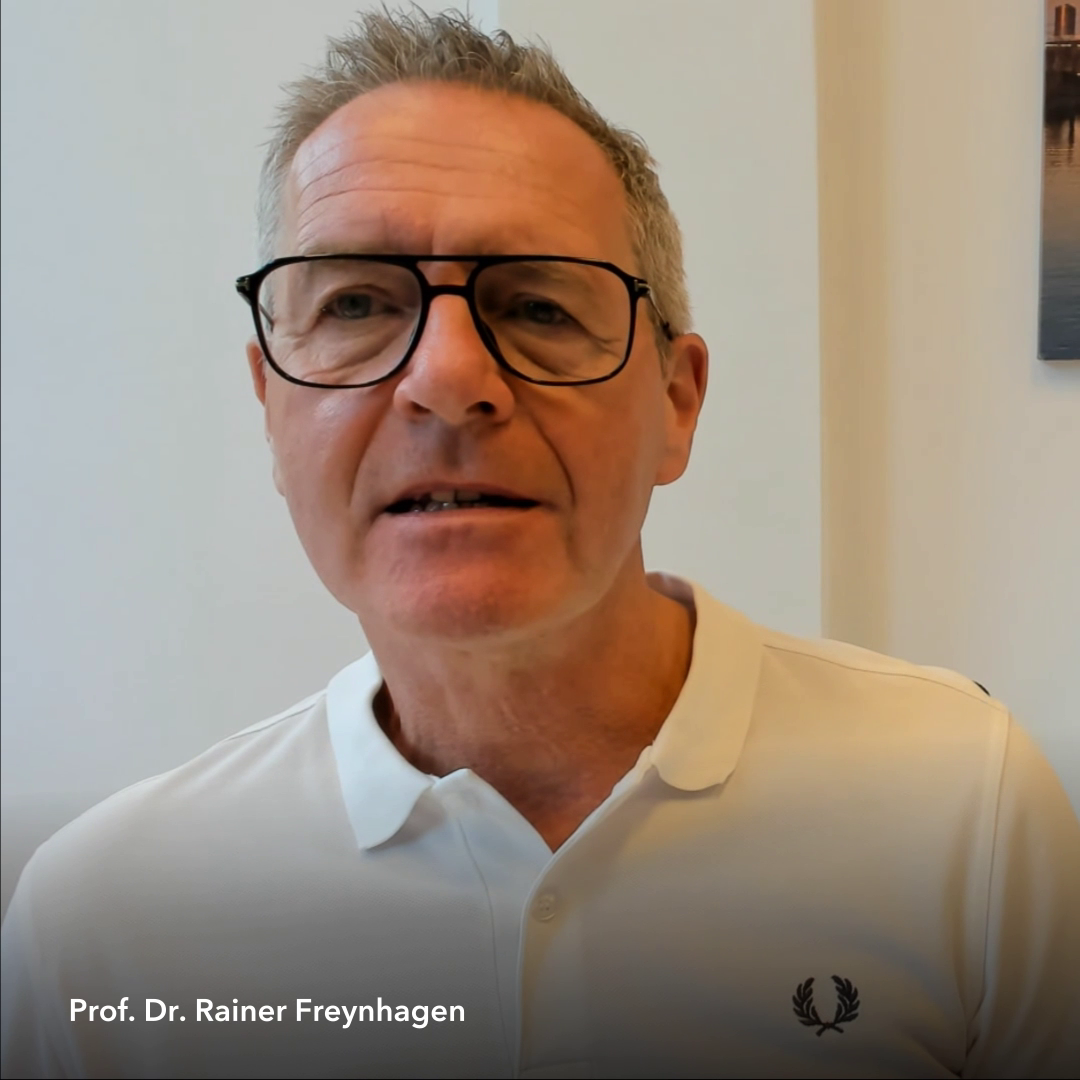
Why You Shouldn't Miss Care4Pain 2026
Prof. Dr. Rainer Freynhagen
Germany
Prof. Dr. Rainer Freynhagen personally invites you to the Care4Pain 2026 event and shares a preview of the scientific programme.
Impactful Communication of Scientific Data
Graham Shaw
Vision Learning, England
Graham Shaw introduces his interactive session on how to communicate scientific data with impact — capturing audiences and delivering messages that truly stick.

Expert Insights
In-depth perspectives from Care4Pain 2026 faculty — new posts added regularly ahead of the event.
Prof. Dr. Roman Rolke
RWTH Aachen University · Head of the Department of Palliative Medicine
Recognizing Neuropathic Pain: Getting the Diagnosis Right
„Two patients. Both women. Both describe burning feet. Both score 22 on the painDETECT screening tool. One of them has a stocking-distribution loss of pinprick and cold sensation and absent ankle reflexes. The other has a completely normal sensory examination, widespread pain, fatigue and unrefreshing sleep. Both were started on a gabapentinoid.“
Prof. Dr. Bart Morlion
University Hospitals of Leuven · Director, Leuven Centre for Algology & Pain Management
Neuropathic Pain Guidelines: What Really Matters in Clinical Practice?
Guidelines tell us what works on average; the patient in front of us is never an average. Good care begins with a sound diagnosis, and balances likely benefit against individual harm, comorbidity and patient goals. A ranking in a guideline is a starting point, not an obligatory prescribing sequence. At Care4Pain 2026, I will present a real life patient case and fexplore how evidence becomes a safe, workable decision.
Key Points
- Confirm neuropathic pain before applying a neuropathic pain treatment algorithm.
- Balance benefit, harm, comorbidities, interactions and patient priorities, not guideline ranking alone.
- Topical treatment may be a sensible early option in frail older patients or people with polypharmacy.
Prof. Dr. Solomon Tesfaye
Sheffield Teaching Hospitals & University of Sheffield
Painful Diabetic Neuropathy: Why Are We Still Falling Short?
Painful diabetic neuropathy is one of the most common complications of diabetes—and one of the most frustrating for both patients and healthcare professionals. Despite growing awareness, established diagnostic tools, and multiple treatment options, outcomes often remain far from optimal. Why do so many patients continue to struggle with pain? Are we missing opportunities to diagnose the condition earlier? And do current care pathways truly support the best possible outcomes?
Key Points
- Why does painful diabetic neuropathy remain under-recognized despite increased awareness?
- Why do many patients continue to experience inadequate pain relief?
- Are current treatment pathways delivering the outcomes we expect?
Graham Shaw
Vision Learning · International speaker and speaker coach
Impactful communication of scientific data: making science matter
Success in communicating scientific data depends not only on what you say, but also on how you say it. You can have all the facts, but when explained in a poor structure, you can still leave people confused.
Key Points
- How to structure any talk to appeal to everyone in your audience.
- Proven ways to immediately grab attention and connect with people.
- How to use stance, or a seated posture, to enhance your confidence and message.
Dr. Didier Bouhassira
Ambroise Paré Hospital · Head of Inserm lab of Pathophysiology and Clinical Pharmacology of Pain
Peripheral Drivers of Neuropathic Pain: From Sodium Channels to Axonal Damage
Neuropathic pain is often described in terms of what patients feel: burning pain, electric shocks, tingling, or hypersensitivity. But where do these symptoms originate? What transforms nerve damage into persistent pain signals? And why can the nervous system continue generating pain even when no external stimulus is present? At Care4Pain 2026, Dr. Didier Bouhassira will explore the peripheral mechanisms that drive neuropathic pain, from axonal injury and abnormal nerve activity to the role of sodium channels and their relevance for current and future treatment approaches.
Key Points
- How does nerve damage generate pain signals?
- What are ectopic discharges and why do they matter?
- What role do sodium channels play in neuropathic pain?
Prof. Dr. Nadine Attal
U987, UVSQ Paris-Saclay University · Hôpital Ambroise Paré, AP-HP, France
Personalised Treatment of Neuropathic Pain: Where Do We Stand?
Neuropathic pain affects 7–10% of the general population and remains one of the most challenging conditions in clinical medicine. Despite a large body of evidence and well-established first-line treatments, fewer than half of patients achieve adequate pain relief with any given therapy. One major reason may not be that our treatments are insufficient, it is that we do not yet reliably match the right treatment to the right patient. Two complementary strategies are converging to address this: biological and neurophysiological biomarkers on one hand, and clinical sensory phenotyping on the other. Machine learning is now adding new predictive power to both approaches, with early results suggesting that algorithms trained on multimodal clinical data may one day guide individual prescribing decisions.
Key Points
- The treatment gap is persisting. Fewer than half of patients with neuropathic pain respond adequately to currently recommended first-line pharmacological treatments, regardless of aetiology.
- Sensory phenotyping is the most immediately actionable personalisation strategy. Patient-reported symptom profiles and quantitative sensory testing can identify clinically distinct subgroups, such as patients with predominant evoked pain, who respond differently to specific treatments such as sodium channel blockers.
- Biological biomarkers are promising. Genetic variants in sodium channel genes, intraepidermal nerve fibre density, and neuroimaging-derived biomarkers show early predictive value, but validation in large prospective cohorts remains critical.
Prof. Dr. Bart Morlion
University Hospitals of Leuven · Director, Leuven Centre for Algology & Pain Management
Chemotherapy-Induced Neuropathy: A Common Problem We Still Miss
Chemotherapy-induced peripheral neuropathy (CIPN) is common, but the label can be misleading: it covers several neurotoxic syndromes rather than one uniform disorder. Pain matters, yet numbness, loss of balance, impaired dexterity and reduced independence may matter just as much. Because prevention and treatment remain limited, repeated assessment and early recognition are central. At Care4Pain 2026, the focus will be on diagnosis and management.
Key Points
- CIPN is a family of syndromes; its phenotype depends partly on the anticancer treatment and the neural structures affected.
- Assessment should cover sensation, pain, balance, gait, dexterity, autonomic symptoms and daily function—not pain alone.
- With no reliable universal prevention, baseline risk assessment and repeated monitoring are essential.
Prof. Dr. Roman Rolke
RWTH Aachen University · Head of the Department of Palliative Medicine
Small Fiber Neuropathy: Seeing the Invisible
She is 46. Her feet have been burning for four years, worse at night, and she can no longer bear the weight of a bedsheet across them. Her nerve conduction studies are normal. Her spinal MRI is normal. Her rheumatology screen is normal. By the time she reaches a specialist clinic, she arrives with a working diagnosis that has quietly attached itself to her over four years of negative findings: somatoform pain disorder. In those four years, nobody asked her whether she sweats. Whether she becomes dizzy on standing. Whether her gut still works. Every one of the routine tests was performed correctly. Every one of them was reported accurately. And every one of them was looking in the wrong place.
Scientific Materials
Open-access publications — freely available to read.
Reversing painful and non-painful diabetic neuropathy with the capsaicin 8% patch: Clinical evidence for pain relief and restoration of function via nerve fiber regeneration.
Anand P, Privitera R, Donatien P, Fadavi H, Tesfaye S, Bravis V, et al. Front Neurol. 2022;13:998904.
Topical treatment of chemotherapy-induced peripheral neuropathy (CIPN) with high-concentration (179mg) capsaicin patch in breast cancer patients – results of the QUCIP study.
Lux MP, Flöther L, Frömter C, Rack B, Veselinovic K, Heine M, et al. Front Oncol. 2024;14:1452099.
Diagnostic performance of graded tuning fork vibration thresholds as a stand-alone test and within clinical assessments of diabetic neuropathy.
Bönhof GJ, et al. Diabetes Res Clin Pract. 2025;224:112224.
Neuropathic Pain? A Guide for Patients
International Association for the Study of Pain
An overview of neuropathic pain and its impact
International Association for the Study of Pain
Identifying Neuropathic Pain in the Clinic: A Guide for Clinicians
International Association for the Study of Pain
Non-medication Approaches to Help Manage Nerve Pain
International Association for the Study of Pain
An overview of the Psychosocial and Social Factors in Neuropathic Pain
International Association for the Study of Pain
Venue

Hotel Berlin Berlin is ideally located in the heart of the city, just steps from the Tiergarten. With its elegant conference facilities, flexible meeting spaces, and comfortable rooms, it provides the perfect setting for an international medical event. The hotel offers excellent accessibility by public transport and all the amenities expected of a premium event venue.
Lützowplatz 17 · 10785 Berlin
Open in Google MapsPublic Transport
U1/U3 Nollendorfplatz, 3 min walk. Bus 100, 200, M29 directly at the hotel.
Parking
Underground parking available on-site. Additional parking nearby.
By Air
BER Airport: 40 min by taxi or S-Bahn to Berlin Hauptbahnhof.
Get in Touch
Sabine Ahrens
Event Coordinator
Datenschutz
Datenschutzerklärung
1. Verantwortlicher
Verantwortlicher im Sinne der Datenschutz-Grundverordnung (DSGVO) ist:
eventumpharma GmbH
Oberstr. 89-91
D-51149 Köln
E-Mail: info@eventum-pharma.com
2. Allgemeines zur Datenverarbeitung
Diese Website dient ausschließlich der Information über den medizinischen Fachkongress „Care4Pain 2026". Wir erheben, verarbeiten oder nutzen personenbezogene Daten der Websitebesucher nur, soweit dies für die Bereitstellung der Website technisch erforderlich ist. Eine Registrierung, ein Login, Kontaktformulare oder Analyse-Tools werden auf dieser Website nicht eingesetzt.
3. Datenverarbeitung beim Aufruf der Website (Server-Logfiles)
Beim Aufrufen dieser Website werden durch den Hosting-Anbieter automatisch Informationen an den Server gesendet und in sogenannten Logfiles vorübergehend gespeichert. Diese sind:
- IP-Adresse des anfragenden Geräts
- Datum und Uhrzeit des Zugriffs
- Name und URL der abgerufenen Datei
- Website, von der aus der Zugriff erfolgt (Referrer-URL)
- Verwendeter Browser und ggf. das Betriebssystem
Rechtsgrundlage für die vorübergehende Speicherung dieser Daten ist Art. 6 Abs. 1 lit. f DSGVO. Unser berechtigtes Interesse besteht in der technisch fehlerfreien Erbringung und Sicherheit unseres Angebots. Die IP-Adressen werden nach spätestens sieben Tagen gelöscht oder anonymisiert, so dass eine Zuordnung zu einer Person nicht mehr möglich ist. Eine Zusammenführung dieser Daten mit anderen personenbezogenen Daten findet nicht statt.
4. Hosting
Diese Website wird bei einem Hosting-Anbieter in der Europäischen Union gehostet (Supabase, bzw. der jeweilige Infrastruktur-Dienstleister). Mit dem Anbieter ist ein Auftragsverarbeitungsvertrag (AVV) gemäß Art. 28 DSGVO geschlossen, der die Einhaltung der datenschutzrechtlichen Vorgaben gewährleistet. Die im Rahmen der Bereitstellung der Website verarbeiteten Daten (siehe Ziffer 3) werden ausschließlich innerhalb der EU verarbeitet. Eine Datenübermittlung in Drittstaaten außerhalb der EU erfolgt nicht.
5. Cookies
Diese Website verwendet keine Cookies. Es werden weder analytische noch werbliche noch funktionale Cookies gesetzt. Ein Cookie-Banner ist daher nicht erforderlich und nicht vorhanden.
6. Schriftarten (Web Fonts)
Die auf dieser Website verwendeten Schriftarten werden lokal auf unserem Server gehostet. Es findet kein Abruf von externen Schriftarten-Anbietern (wie z. B. Google Fonts) statt. Ihre IP-Adresse wird nicht an Dritte übermittelt, um Schriftarten zu laden.
7. Videos
Auf dieser Website können Videos abgespielt werden. Diese Videos werden von unseren eigenen Servern bereitgestellt. Es findet keine Einbindung von YouTube, Vimeo oder anderen Drittanbieter-Plattformen statt. Beim Abspielen wird Ihre IP-Adresse nicht an externe Video-Dienstleister übermittelt.
8. Externe Links
Diese Website enthält Links zu externen Websites Dritter (z. B. zur Veranstaltungs-Registrierung). Auf deren Inhalte haben wir keinen Einfluss und können keine Gewähr übernehmen. Die jeweils verlinkte Website ist für deren eigenen Datenschutz verantwortlich. Beim Klick auf einen externen Link werden ggf. Daten durch den Betreiber der Zielseite verarbeitet; insoweit gilt die Datenschutzerklärung des jeweiligen Anbieters.
9. Ihre Rechte als betroffene Person
Ihnen stehen nach der DSGVO folgende Rechte zu:
- Auskunft über die zu Ihrer Person verarbeiteten Daten (Art. 15 DSGVO)
- Berichtigung unrichtiger oder Vervollständigung unvollständiger Daten (Art. 16 DSGVO)
- Löschung der Sie betreffenden Daten (Art. 17 DSGVO)
- Einschränkung der Verarbeitung Ihrer Daten (Art. 18 DSGVO)
- Datenübertragbarkeit (Art. 20 DSGVO)
- Widerspruch gegen die Verarbeitung (Art. 21 DSGVO)
Sofern eine Verarbeitung auf einer von Ihnen erteilten Einwilligung beruht, können Sie diese jederzeit mit Wirkung für die Zukunft widerrufen (Art. 7 Abs. 3 DSGVO). Durch den Widerruf wird die Rechtmäßigkeit der bis zum Widerruf erfolgten Verarbeitung nicht berührt.
Zudem haben Sie das Recht, sich bei einer Datenschutz-Aufsichtsbehörde zu beschweren (Art. 77 DSGVO). Zuständig ist die Aufsichtsbehörde an unserem Sitz: Landesbeauftragte für Datenschutz und Informationsfreiheit Nordrhein-Westfalen, Postfach 20 04 45, 40102 Düsseldorf.
10. Datensicherheit
Wir sichern unsere Website durch technische und organisatorische Maßnahmen gegen unbefugte Zugriffe sowie gegen Verlust, Manipulation oder Zerstörung von Daten ab. Die Datenübertragung erfolgt verschlüsselt über TLS (Transport Layer Security). Unsere Systeme werden durch Firewall- und Virenschutz-Maßnahmen geschützt.
11. Aktualität und Änderung dieser Datenschutzerklärung
Diese Datenschutzerklärung kann jederzeit angepasst werden, um den aktuellen rechtlichen Anforderungen zu entsprechen oder Änderungen der Datenverarbeitung abzubilden. Die jeweils aktuelle Version ist auf dieser Website abrufbar.
Stand: August 2026
Impressum
Impressum
Angaben gemäß § 5 TMG
info@eventum-pharma.com
eventumpharma GmbH
Oberstr. 89-91
D-51149 Köln
Vertreten durch
Geschäftsführer: Andreas Jacobs, Sebastian Götz
Registereintrag
Eintragung im Handelsregister.
Registergericht: Amtsgericht Köln
Registernummer: HRB 77559
Umsatzsteuer-ID
Umsatzsteuer-Identifikationsnummer gemäß §27 a Umsatzsteuergesetz:
DE287579955
Verantwortlich für den Inhalt nach § 55 Abs. 2 RStV
Sebastian Götz
Oberstr. 89-91
D-51149 Köln
Streitschlichtung
Die Europäische Kommission stellt eine Plattform zur Online-Streitbeilegung (OS) bereit: https://ec.europa.eu/consumers/odr.
Unsere E-Mail-Adresse lautet info@eventum-pharma.com.
Zur Durchführung eines Verfahrens gemäß VSBG vor einer Verbraucherschlichtungsstelle sind wir nicht verpflichtet und auch nicht bereit. Das Gesetz über die alternative Streitbeilegung in Verbrauchersachen (VSBG) fordert aber, dass wir Sie trotzdem auf eine für Sie zuständige Verbraucherschlichtungsstelle hinweisen:
Online-Schlichter
Zentrum für Europäischen Verbraucherschutz e.V.
Bahnhofsplatz 3
77694 Kehl
Telefon: 07851 / 991480
E-Mail: mail@online-schlichter.de
Internet: www.online-schlichter.de
Verpflichtungen zur Entfernung oder Sperrung der Nutzung von Informationen nach den allgemeinen Gesetzen bleiben hiervon unberührt. Eine diesbezügliche Haftung ist jedoch erst ab dem Zeitpunkt der Kenntnis einer konkreten Rechtsverletzung möglich. Bei Bekanntwerden von entsprechenden Rechtsverletzungen werden wir diese Inhalte umgehend entfernen.
Haftung für Links
Unser Angebot enthält Links zu externen Websites Dritter, auf deren Inhalte wir keinen Einfluss haben. Deshalb können wir für diese fremden Inhalte auch keine Gewähr übernehmen. Für die Inhalte der verlinkten Seiten ist stets der jeweilige Anbieter oder Betreiber der Seiten verantwortlich. Die verlinkten Seiten wurden zum Zeitpunkt der Verlinkung auf mögliche Rechtsverstöße überprüft. Rechtswidrige Inhalte waren zum Zeitpunkt der Verlinkung nicht erkennbar.
Eine permanente inhaltliche Kontrolle der verlinkten Seiten ist jedoch ohne konkrete Anhaltspunkte einer Rechtsverletzung nicht zumutbar. Bei Bekanntwerden von Rechtsverletzungen werden wir derartige Links umgehend entfernen.
Urheberrecht
Die durch die Seitenbetreiber erstellten Inhalte und Werke auf diesen Seiten unterliegen dem deutschen Urheberrecht. Die Vervielfältigung, Bearbeitung, Verbreitung und jede Art der Verwertung außerhalb der Grenzen des Urheberrechtes bedürfen der schriftlichen Zustimmung des jeweiligen Autors bzw. Erstellers. Downloads und Kopien dieser Seite sind nur für den privaten, nicht kommerziellen Gebrauch gestattet.
Soweit die Inhalte auf dieser Seite nicht vom Betreiber erstellt wurden, werden die Urheberrechte Dritter beachtet. Insbesondere werden Inhalte Dritter als solche gekennzeichnet. Sollten Sie trotzdem auf eine Urheberrechtsverletzung aufmerksam werden, bitten wir um einen entsprechenden Hinweis. Bei Bekanntwerden von Rechtsverletzungen werden wir derartige Inhalte umgehend entfernen.
Why You Shouldn't Miss Care4Pain 2026
Prof. Dr. Rainer Freynhagen
Germany
Prof. Dr. Rainer Freynhagen personally invites you to the Care4Pain 2026 event and shares a preview of the scientific programme.
Impactful Communication of Scientific Data
Graham Shaw
Vision Learning, England
Graham Shaw introduces his interactive session on how to communicate scientific data with impact — capturing audiences and delivering messages that truly stick.
Expert Insight · Prof. Dr. Roman Rolke
Recognizing Neuropathic Pain: Getting the Diagnosis Right
„Two patients. Both women. Both describe burning feet. Both score 22 on the painDETECT screening tool. One of them has a stocking-distribution loss of pinprick and cold sensation and absent ankle reflexes. The other has a completely normal sensory examination, widespread pain, fatigue and unrefreshing sleep. Both were started on a gabapentinoid.“
If you already know which one should not have been — and, more to the point, if you can say in one sentence what separates them - then you will still enjoy this session, because you will spend it watching an argument you agree with being made better than you would make it.
If you hesitated, even briefly, then this talk is aimed directly at you!
The uncomfortable premise
Here is the claim the session rests on: most of us are usually good and experienced at treating neuropathic pain. We are bad at deciding whether we are correctly looking at it.
That is an unfashionable thing to say. “Diagnostic reasoning” does not attract research funding, does not appear in industry symposia, and has no product attached to it. It is also, on the evidence, where most of the damage happens, because a pain diagnosis that is wrong at the mechanism level cannot be rescued by a good drug choice downstream. Patient B above will not respond well to what Patient A needs, and after three failed agents she will acquire a reputation as difficult.
Prof. Rolke has spent his career at the point where the measurement of sensory function meets the bedside. He is among the authors of the standardised quantitative sensory testing protocol and reference values of the German Research Network on Neuropathic Pain - the dataset against which sensory phenotypes across Europe are still compared today. He is exactly the person you would expect to argue for more measurements, especially the right ones in the right order.
The word that changed everything, and almost nobody noticed
In 1994, the official definition of neuropathic pain contained a word that has since been removed. The word was elastic enough to accommodate almost any chronic pain state, and for two decades it duly did. In 2011 it was replaced, and the replacement imposed a requirement that a large fraction of everyday clinical practice still quietly ignores.
Prof. Rolke will walk through that definition one term at a time. It takes about ninety seconds, and by the end of it several diagnoses you have made this year might look different.
There is a second structural insight in the session: the grading system for neuropathic pain is not only a classification. Read in the right order, it is simultaneously a step-by-step clinical algorithm - each grade corresponds to exactly one stage of the diagnostic work-up. Once you have seen it, you cannot unsee it, and the rest of the diagnostic process organises itself.
Five minutes, a brush, a pin and a tuning fork
The heart of the talk is not a technology. It is an examination that takes about five minutes and requires no equipment that is not already in your pocket or on your desk.
Prof. Rolke will make an argument that will be uncomfortable for some in the audience: the single most informative finding in the entire neuropathic pain work-up is available at the bedside, costs nothing, requires no referral, and is routinely skipped in favour of an investigation that answers a different question.
He will also explain the one comparison that, when it comes out negative, should stop you from ordering that investigation at all - and why ordering it anyway is how patients end up with incidental findings, and how incidental findings might turn into next more invasive therapeutic procedures.
Bring an opinion
This is not a lecture to sit through passively. Early in the session Prof. Rolke stops and hands the two patients back to the room: a short case discussion, hypotheses invited, mechanisms named out loud.
Prof. Rolke will come back to your hypotheses later in the talk, once the clinical and therapeutic picture is complete - and you might be pleasantly surprised how far you got with your own two minutes thinking and no equipment.
What you leave with
One sentence, no technical vocabulary, short enough to remember on a ward round. And it sends you somewhere counterintuitive. It tells you to „go looking for numbness in the very area the patient describes as painful.“
That sounds like a contradiction, and it is treated as one every day. Patients who report that they cannot feel their feet and that their feet are on fire are quietly filed as unreliable historians, and their examination is not repeated.
Prof. Rolke will show you why that combination is not an inconsistency at all - why it is, in fact, the closest thing to a fingerprint that neuropathic pain possesses, and why the finding that confirms it takes few minutes and no equipment.
He will also tell you the two clinical situations in which the sentence does not hold. Both are common enough that you will meet one of them this month in your clinical or practice.
Everything else in the session - the neuropathic pain definition, the grading, the tables, the tests - is scaffolding built around this simple rule.
M-QZA-HQ-07-26-0017
Expert Insight · Prof. Dr. Bart Morlion
Neuropathic Pain Guidelines: What Really Matters in Clinical Practice?
Guidelines tell us what works on average; the patient in front of us is never an average. Good care begins with a sound diagnosis, and balances likely benefit against individual harm, comorbidity and patient goals. A ranking in a guideline is a starting point, not an obligatory prescribing sequence. At Care4Pain 2026, I will present a real life patient case and fexplore how evidence becomes a safe, workable decision.
Key Points
- Confirm neuropathic pain before applying a neuropathic pain treatment algorithm.
- Balance benefit, harm, comorbidities, interactions and patient priorities, not guideline ranking alone.
- Topical treatment may be a sensible early option in frail older patients or people with polypharmacy.
- Set goals beyond pain intensity, support adherence and reassess early; ineffective or poorly tolerated treatment should not drift on.
Imagine a 76-year-old man with severe postherpetic neuralgia, poor sleep, recurrent falls and several cardiovascular medicines. The guideline offers first-line options. But which “first line” is right for him?
This is where rankings stop and clinical practice starts. Good average efficacy may mean little when sedation, dizziness, urinary retention or drug interactions carry particular risk. A topical option with a modest average effect may be the rational first step for localised pain in a vulnerable patient.
Guidelines are indispensable: they synthesise evidence and protect us from intuition. But they do not replace diagnosis, shared decisions or follow-up. Nor do they justify a rigid sequence for every patient.
The practical sequence is clear. Confirm the diagnosis. Define priorities: pain relief, sleep, function, general well-being and social functioning. Select the safest plausible option, explain that treatment often requires adjustment, agree on success and unacceptable harm, then reassess.
At Care4Pain, I will work through this tension between evidence and individuality. The real skill is not knowing the guideline by heart. It is knowing how to use it without losing sight of the person.
M-QZA-HQ-07-26-0016
Expert Insight · Prof. Dr. Solomon Tesfaye
Painful Diabetic Neuropathy: Why Are We Still Falling Short?
Painful diabetic neuropathy is one of the most common complications of diabetes—and one of the most frustrating for both patients and healthcare professionals. Despite growing awareness, established diagnostic tools, and multiple treatment options, outcomes often remain far from optimal. Why do so many patients continue to struggle with pain? Are we missing opportunities to diagnose the condition earlier? And do current care pathways truly support the best possible outcomes?
Key Points
- Why does painful diabetic neuropathy remain under-recognized despite increased awareness?
- Why do many patients continue to experience inadequate pain relief?
- Are current treatment pathways delivering the outcomes we expect?
- What lessons can be learned from emerging models of care?
- Which opportunities could help improve patient outcomes in the future?
A Solved Problem That Is Not Solved?
Over the last decades, our understanding of painful diabetic neuropathy has advanced considerably. The condition is widely recognized, diagnostic approaches are available, and multiple evidence-based treatment options exist.
Yet many clinicians would agree that the reality in daily practice often tells a different story.
Patients frequently continue to experience pain that affects sleep, mobility, daily activities, and overall quality of life. Many arrive in specialist clinics after a long and often complex journey through the healthcare system. This raises an important question: if we know so much about painful diabetic neuropathy, why are outcomes still falling short?
Are We Finding the Right Patients at the Right Time?
One possible explanation lies at the very beginning of the patient journey.
How often are neuropathic symptoms identified early? Are patients routinely discussing their symptoms? And are healthcare professionals consistently able to distinguish neuropathic pain from other causes of discomfort experienced by people living with diabetes?
The answers may be more complex than they initially appear.
When Diagnosis Is Not the End of the Story
Even when painful diabetic neuropathy has been identified, important challenges remain.
Clinical guidelines provide recommendations, but treatment decisions are rarely straightforward. Patients differ in their symptoms, comorbidities, preferences and treatment responses. As a result, achieving meaningful pain relief can sometimes prove more difficult than expected.
This has led to increasing discussion about whether existing approaches fully reflect the realities of clinical practice.
Looking Beyond Individual Treatments
Perhaps the most important questions are no longer limited to which treatment to choose.
Could earlier intervention improve outcomes? Do patients reach the right specialist at the right time? Are there ways to simplify the patient journey? And can healthcare systems learn from innovative care models designed to reduce delays and improve coordination?
These questions are becoming increasingly relevant as clinicians seek to translate scientific progress into meaningful benefits for patients.
Join the Discussion at Care4Pain 2026
Painful diabetic neuropathy continues to challenge healthcare professionals across specialties. Understanding why outcomes remain suboptimal—and identifying opportunities for improvement—will be the focus of Prof. Solomon Tesfaye's session at Care4Pain 2026.
Join us as we examine where the current gaps lie, challenge existing assumptions, and explore what the future of care might look like.
M-QZA-HQ-07-26-0012
Expert Insight · Graham Shaw
Impactful communication of scientific data: making science matter
Success in communicating scientific data depends not only on what you say, but also on how you say it. You can have all the facts, but when explained in a poor structure, you can still leave people confused.
Key Points
- How to structure any talk to appeal to everyone in your audience.
- Proven ways to immediately grab attention and connect with people.
- How to use stance, or a seated posture, to enhance your confidence and message.
- How to make your voice engaging and easy to listen to.
- Simple ways to use gestures that make your ideas easier to recall.
- How to use eye contact to engage people and increase rapport.
- How to control nerves and feel confident.
- How to increase audience rapport.
- How to end on a high and increase the chances of people taking the action you desire.
Presence and Impact
Likewise, your personal presence and impact can make all the difference to people's ability to be convinced by your message. However, it is not always easy to know how best to use body language and voice. You may have wondered where to look, what to do with your hands or how to stand. Perhaps you have felt nervous and would like to feel more confident.
Whilst there is no one way to present information, there are certain principles that just work.
An Interactive Closing Session
In this lively and interactive session you will learn how to captivate people and get your scientific messages across with impact every time.
Expert Insight · Dr. Didier Bouhassira
Peripheral Drivers of Neuropathic Pain: From Sodium Channels to Axonal Damage
Neuropathic pain is often described in terms of what patients feel: burning pain, electric shocks, tingling, or hypersensitivity. But where do these symptoms originate? What transforms nerve damage into persistent pain signals? And why can the nervous system continue generating pain even when no external stimulus is present? At Care4Pain 2026, Dr. Didier Bouhassira will explore the peripheral mechanisms that drive neuropathic pain, from axonal injury and abnormal nerve activity to the role of sodium channels and their relevance for current and future treatment approaches.
Key Points
- How does nerve damage generate pain signals?
- What are ectopic discharges and why do they matter?
- What role do sodium channels play in neuropathic pain?
- Can different symptoms reflect different peripheral mechanisms?
- How might mechanistic insights influence future treatments?
When Nerves Start Sending the Wrong Signals
The nervous system is designed to detect, process, and transmit information.
But what happens when the system itself becomes damaged?
Neuropathic pain can arise after injury or disease affecting the somatosensory nervous system. Yet the presence of nerve damage alone does not fully explain why patients experience burning pain, electric shock-like sensations, or pain triggered by normally harmless stimuli.
This raises a fundamental question: how does nerve damage become pain?
Where Do Neuropathic Pain Signals Come From?
One possible answer lies within the damaged nerve itself.
After nerve injury, abnormal electrical activity may emerge within affected nerve fibres. In some cases, nerves appear to generate signals even in the absence of an external trigger. These abnormal signals may contribute to a range of neuropathic pain symptoms.
But are all neuropathic pain symptoms driven by the same processes? And can understanding those processes help explain why patients experience pain so differently?
Why Are Sodium Channels Receiving So Much Attention?
Among the many molecular players involved in pain signalling, sodium channels have become a major focus of interest.
Why have they attracted so much attention? What role do they play in the generation and propagation of abnormal nerve activity? And could a better understanding of these mechanisms lead to more targeted therapeutic approaches?
These questions continue to shape both basic and clinical pain research.
Join the Discussion at Care4Pain 2026
Understanding neuropathic pain begins with understanding how pain signals are generated.
In his presentation, Dr. Didier Bouhassira will examine the peripheral mechanisms that contribute to neuropathic pain and discuss how insights into axonal damage, ectopic discharges, and sodium channels are shaping current thinking in the field.
Join us as we explore where neuropathic pain begins.
M-QZA-HQ-07-26-0015
Expert Insight · Prof. Dr. Nadine Attal
Personalised Treatment of Neuropathic Pain: Where Do We Stand?
Neuropathic pain affects 7–10% of the general population and remains one of the most challenging conditions in clinical medicine. Despite a large body of evidence and well-established first-line treatments, fewer than half of patients achieve adequate pain relief with any given therapy. One major reason may not be that our treatments are insufficient, it is that we do not yet reliably match the right treatment to the right patient. Two complementary strategies are converging to address this: biological and neurophysiological biomarkers on one hand, and clinical sensory phenotyping on the other. Machine learning is now adding new predictive power to both approaches, with early results suggesting that algorithms trained on multimodal clinical data may one day guide individual prescribing decisions.
Key Points
- The treatment gap is persisting. Fewer than half of patients with neuropathic pain respond adequately to currently recommended first-line pharmacological treatments, regardless of aetiology.
- Sensory phenotyping is the most immediately actionable personalisation strategy. Patient-reported symptom profiles and quantitative sensory testing can identify clinically distinct subgroups, such as patients with predominant evoked pain, who respond differently to specific treatments such as sodium channel blockers.
- Biological biomarkers are promising. Genetic variants in sodium channel genes, intraepidermal nerve fibre density, and neuroimaging-derived biomarkers show early predictive value, but validation in large prospective cohorts remains critical.
- Machine learning and artificial intelligence are entering the field. Multimodal predictive models are beginning to outperform single-marker approaches, though prospective external validation is essential before these tools can guide individual clinical decisions.
A Persistent Treatment Gap
Neuropathic pain affects 7–10% of the general population and remains one of the most challenging conditions in clinical medicine.
Despite a large body of evidence and well-established first-line treatments, fewer than half of patients achieve adequate pain relief with any given therapy.
One major reason may not be that our treatments are insufficient, it is that we do not yet reliably match the right treatment to the right patient.
Two Converging Strategies
Two complementary strategies are converging to address this challenge: biological and neurophysiological biomarkers on one hand, and clinical sensory phenotyping on the other.
Each approach offers a different lens through which to understand why patients respond differently to the same treatment, and each is evolving rapidly.
Machine Learning Adds Predictive Power
Machine learning is now adding new predictive power to both approaches, with early results suggesting that algorithms trained on multimodal clinical data may one day guide individual prescribing decisions.
Multimodal predictive models are beginning to outperform single-marker approaches, though prospective external validation is essential before these tools can guide individual clinical decisions.
Join the Discussion at Care4Pain 2026
In Berlin in September 2026, we will explore where the field stands today, what has genuinely changed, and what it will take to bring personalised neuropathic pain care into routine clinical practice.
M-QZA-HQ-07-26-0014
Expert Insight · Prof. Dr. Bart Morlion
Chemotherapy-Induced Neuropathy: A Common Problem We Still Miss
Chemotherapy-induced peripheral neuropathy (CIPN) is common, but the label can be misleading: it covers several neurotoxic syndromes rather than one uniform disorder. Pain matters, yet numbness, loss of balance, impaired dexterity and reduced independence may matter just as much. Because prevention and treatment remain limited, repeated assessment and early recognition are central. At Care4Pain 2026, the focus will be on diagnosis and management.
Key Points
- CIPN is a family of syndromes; its phenotype depends partly on the anticancer treatment and the neural structures affected.
- Assessment should cover sensation, pain, balance, gait, dexterity, autonomic symptoms and daily function—not pain alone.
- With no reliable universal prevention, baseline risk assessment and repeated monitoring are essential.
- Management is multimodal: reviewing neurotoxic exposure, pharmacological management of neuropathic pain, reducing safety risks, and rehabilitating function.
When Cancer Treatment Ends, Neurological Consequences Continue
Cancer treatment can end while its neurological consequences continue. A patient may report little pain yet struggle with buttons or balance.
If we ask only “Does it hurt?”, we may miss what is changing daily life.
Not One Disease, but a Family of Syndromes
CIPN is often discussed as if it were one disease. It is not.
Platinum compounds, taxanes, vinca alkaloids and proteasome inhibitors can produce different patterns of nerve injury. The result may be numbness, burning pain, cold-triggered symptoms, weakness or autonomic dysfunction.
Recognising the phenotype is more useful than simply applying the label.
A Modest Therapeutic Toolbox
Our therapeutical toolbox is modest, effect sizes only small to moderate.
Pharmacologically, duloxetine has specific guideline support for painful CIPN. Nevertheless, other classes of drugs for neuropathic pain, including topicals, are valuable options as recommended in the updated guidelines for the management of neuropathic pain.
Furthermore, exercise, balance training, rehabilitation, fall prevention and self-management are part of treatment.
A Practical Message
My practical message is simple: establish a baseline, ask repeatedly, examine what matters and measure change.
Earlier recognition may support timely oncology decisions, preserve function and prevent avoidable disability.
At Care4Pain, I hope we can move from “pain after chemotherapy” to the full clinical reality of CIPN.
M-QZA-HQ-07-26-0016
Expert Insight · Prof. Dr. Roman Rolke
Small Fiber Neuropathy: Seeing the Invisible
She is 46. Her feet have been burning for four years, worse at night, and she can no longer bear the weight of a bedsheet across them. Her nerve conduction studies are normal. Her spinal MRI is normal. Her rheumatology screen is normal. By the time she reaches a specialist clinic, she arrives with a working diagnosis that has quietly attached itself to her over four years of negative findings: somatoform pain disorder. In those four years, nobody asked her whether she sweats. Whether she becomes dizzy on standing. Whether her gut still works. Every one of the routine tests was performed correctly. Every one of them was reported accurately. And every one of them was looking in the wrong place.
The Problem with a Normal Result
There is a category of patients where pain medicine fails, and the failure has a specific signature: multiple systems involved, every routine investigation unremarkable, and a clinical picture that gradually drifts toward a functional label.
These patients are not rare. They are sitting in your clinic or practice this week.
The argument is not that our tests are bad. It is that they are exquisitely well designed to examine the fibers that are not causing the problem.
What “Seeing the Invisible" Actually Means
Small fiber neuropathy is mostly invisible to our routine clinical diagnostic work-up.
There is the half of the disease that is invisible in the consultation, because patients do not volunteer to report it and we physicians do not ask. And there is the patient who becomes invisible as a person after enough years of being told that nothing has been found.
Somewhere in the middle of the talk there is a microscopic picture of a biopsy, taken from a procedure that requires three millimetres of skin, a local anaesthetic and an ordinary outpatient room. This skin is one of the few places in the human body where a painful nerve ending can be made literally visible when corneal microscopy isn't available.
The Question Nobody Asks
Small fibers are not only the fibers that hurt. They are also part of a family of fibers that regulate autonomic functions like sweating, blood pressure on standing, gut motility, bladder, pupil.
This is not a clinical curiosity or a comorbidity to be noted in passing. It means that a pain specialist who listens only for pain is hearing a fraction of the disease.
Prof. Rolke will show why these autonomic symptoms are almost perfectly designed to be missed: each one is individually plausible, individually dismissible, and individually referred to a different medical specialty. Gastroenterology sees irritable bowel. Cardiology sees a normal echocardiogram. Urology sees nothing at all.
Moreover, the talk addresses the question “what happens to pain, to sensory phenotype and to quality of life over a year in SFN?” Until now, this has largely been a matter of clinical impression. Prof. Rolke will show the curves.
What You Will Take Away
Not a literature update. A change to what you do on Monday morning.
You will take away at least a few questions that take ninety seconds and reframe a substantial proportion of the “unexplained" patients in your clinic or practice.
A short, memorable rule for what a normal nerve conduction study does and does not exclude. A list of causes that are genuinely treatable and are being missed right now. And a way of opening the conversation that patients who have spent years being disbelieved tend to remember for a long time.
M-QZA-HQ-07-26-0017
Open-Access Publication
Reversing painful and non-painful diabetic neuropathy with the capsaicin 8% patch: Clinical evidence for pain relief and restoration of function via nerve fiber regeneration.
Anand P, Privitera R, Donatien P, Fadavi H, Tesfaye S, Bravis V, et al. Front Neurol. 2022;13:998904.
This is an open-access scientific article, freely available to read in full.
Copyright & License
© 2022 Anand, Privitera, Donatien, Fadavi, Tesfaye, Bravis and Misra. This is an open-access article distributed under the terms of the Creative Commons Attribution License (CC BY). The use, distribution or reproduction in other forums is permitted, provided the original author(s) and the copyright owner(s) are credited and that the original publication in this journal is cited, in accordance with accepted academic practice. No use, distribution or reproduction is permitted which does not comply with these terms.
Click the button below to open the full article in a new tab.
Open-access · CC BY
Open ArticleOpen-Access Publication
Topical treatment of chemotherapy-induced peripheral neuropathy (CIPN) with high-concentration (179mg) capsaicin patch in breast cancer patients – results of the QUCIP study.
Lux MP, Flöther L, Frömter C, Rack B, Veselinovic K, Heine M, et al. Front Oncol. 2024;14:1452099.
This is an open-access scientific article, freely available to read in full.
Copyright & License
© 2024 Lux, Flöther, Frömter, Rack, Veselinovic, Heine, Paepke, Krabisch, Quandel and Sabatowski. This is an open-access article distributed under the terms of the Creative Commons Attribution License (CC BY). The use, distribution or reproduction in other forums is permitted, provided the original author(s) and the copyright owner(s) are credited and that the original publication in this journal is cited, in accordance with accepted academic practice. No use, distribution or reproduction is permitted which does not comply with these terms.
Click the button below to open the full article in a new tab.
Open-access · CC BY
Open ArticleOpen-Access Publication
Diagnostic performance of graded tuning fork vibration thresholds as a stand-alone test and within clinical assessments of diabetic neuropathy.
Bönhof GJ, et al. Diabetes Res Clin Pract. 2025;224:112224.
This is an open-access scientific article, freely available to read in full.
Copyright & License
This is an open access article distributed under the terms of the Creative Commons CC-BY license, which permits unrestricted use, distribution, and reproduction in any medium, provided the original work is properly cited. You are not required to obtain permission to reuse this article.
Click the button below to open the full article in a new tab.
Open-access · CC BY
Open ArticlePatient Resource
Neuropathic Pain? A Guide for Patients
International Association for the Study of Pain
This is an open-access scientific article, freely available to read in full.
Copyright & License
© 2026 International Association for the Study of Pain. Used by permission.
Click the button below to open the full article in a new tab.
Open-access · CC BY
Open ArticlePatient Resource
An overview of neuropathic pain and its impact
International Association for the Study of Pain
This is an open-access scientific article, freely available to read in full.
Copyright & License
© 2026 International Association for the Study of Pain. Used by permission.
Click the button below to open the full article in a new tab.
Open-access · CC BY
Open ArticlePatient Resource
Identifying Neuropathic Pain in the Clinic: A Guide for Clinicians
International Association for the Study of Pain
This is an open-access scientific article, freely available to read in full.
Copyright & License
© 2026 International Association for the Study of Pain. Used by permission.
Click the button below to open the full article in a new tab.
Open-access · CC BY
Open ArticlePatient Resource
Non-medication Approaches to Help Manage Nerve Pain
International Association for the Study of Pain
This is an open-access scientific article, freely available to read in full.
Copyright & License
© 2026 International Association for the Study of Pain. Used by permission.
Click the button below to open the full article in a new tab.
Open-access · CC BY
Open ArticlePatient Resource
An overview of the Psychosocial and Social Factors in Neuropathic Pain
International Association for the Study of Pain
This is an open-access scientific article, freely available to read in full.
Copyright & License
© 2026 International Association for the Study of Pain. Used by permission.
Click the button below to open the full article in a new tab.
Open-access · CC BY
Open Article